ICC presents advances in sustainability and biodiversity research at the Sixth Sugarcane Industry Forum in El Salvador
September 25 , 2025
The Private Institute for Climate Change Research (ICC) participated in the Sixth Sugarcane Industry Forum in El Salvador, where it presented technical proposals and key research advances aimed at promoting more sustainable sugarcane production in the country.
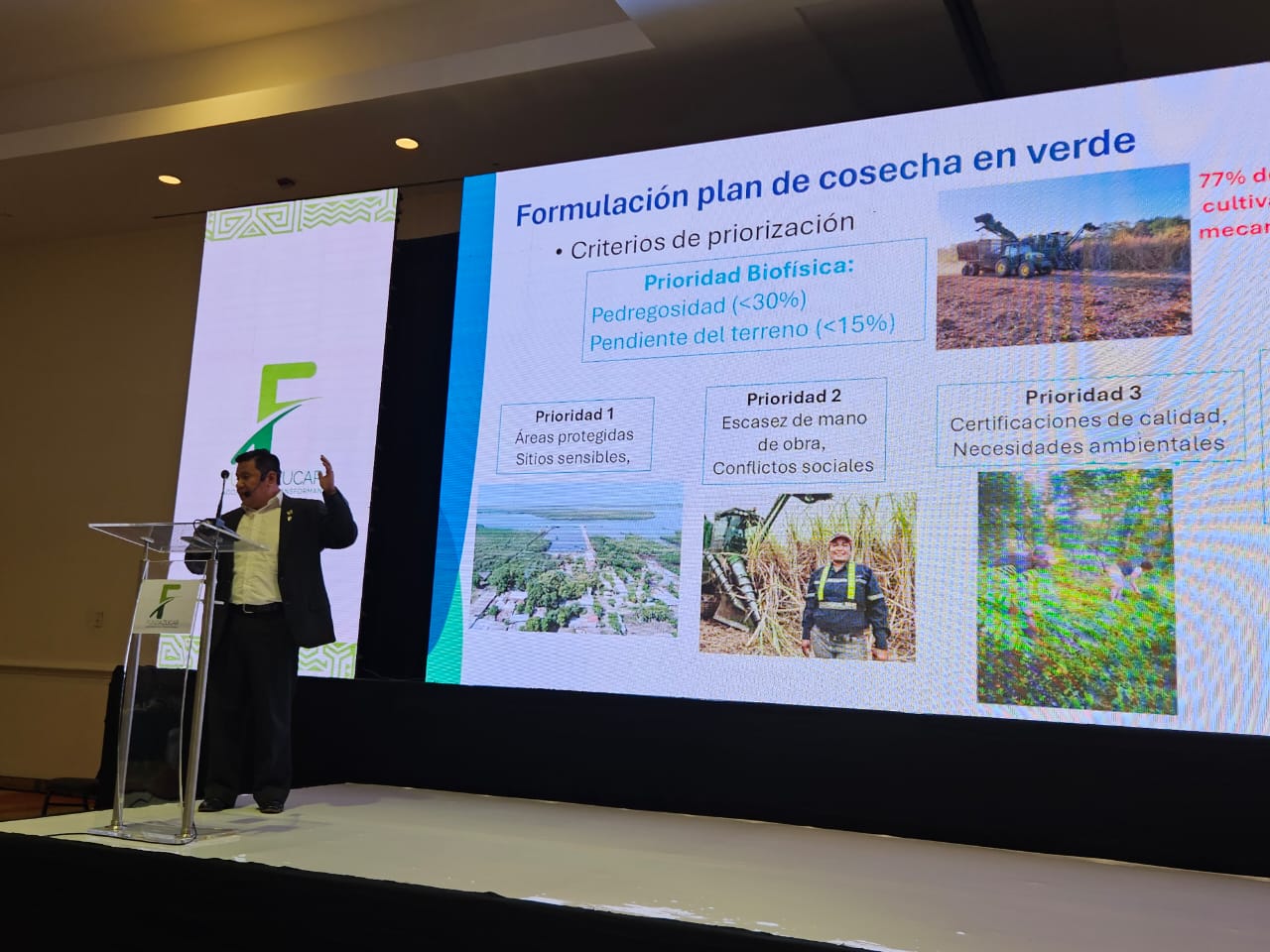
Eng. Marco Tax, ICC’s Director of Operations, delivered a presentation entitled “Plan for the Transition to Green Harvesting in the Sugarcane Sector,” an initiative aligned with national climate change mitigation and adaptation objectives. The plan promotes a gradual transition from the traditional practice of pre-harvest burning to green harvesting methods.
During his presentation, Eng. Tax explained that the plan is based on a comprehensive technical analysis conducted by ICC to characterize the movement and behavior of ash generated by sugarcane burning. Based on this analysis, priority areas for transition were identified, with particular attention to conservation and protected areas, as well as sensitive zones near population centers, major highways, and airports.
The plan establishes a phased implementation schedule, with transition milestones set for 2030, 2035, and 2040, allowing for the progressive transformation of production areas. He emphasized that this gradual approach is essential to enable technical adjustments at the farm level, adaptation of sugarcane varieties, the mobilization of required investments, and the management of social impacts, especially in the context of increasing mechanization driven by labor shortages in manual harvesting.
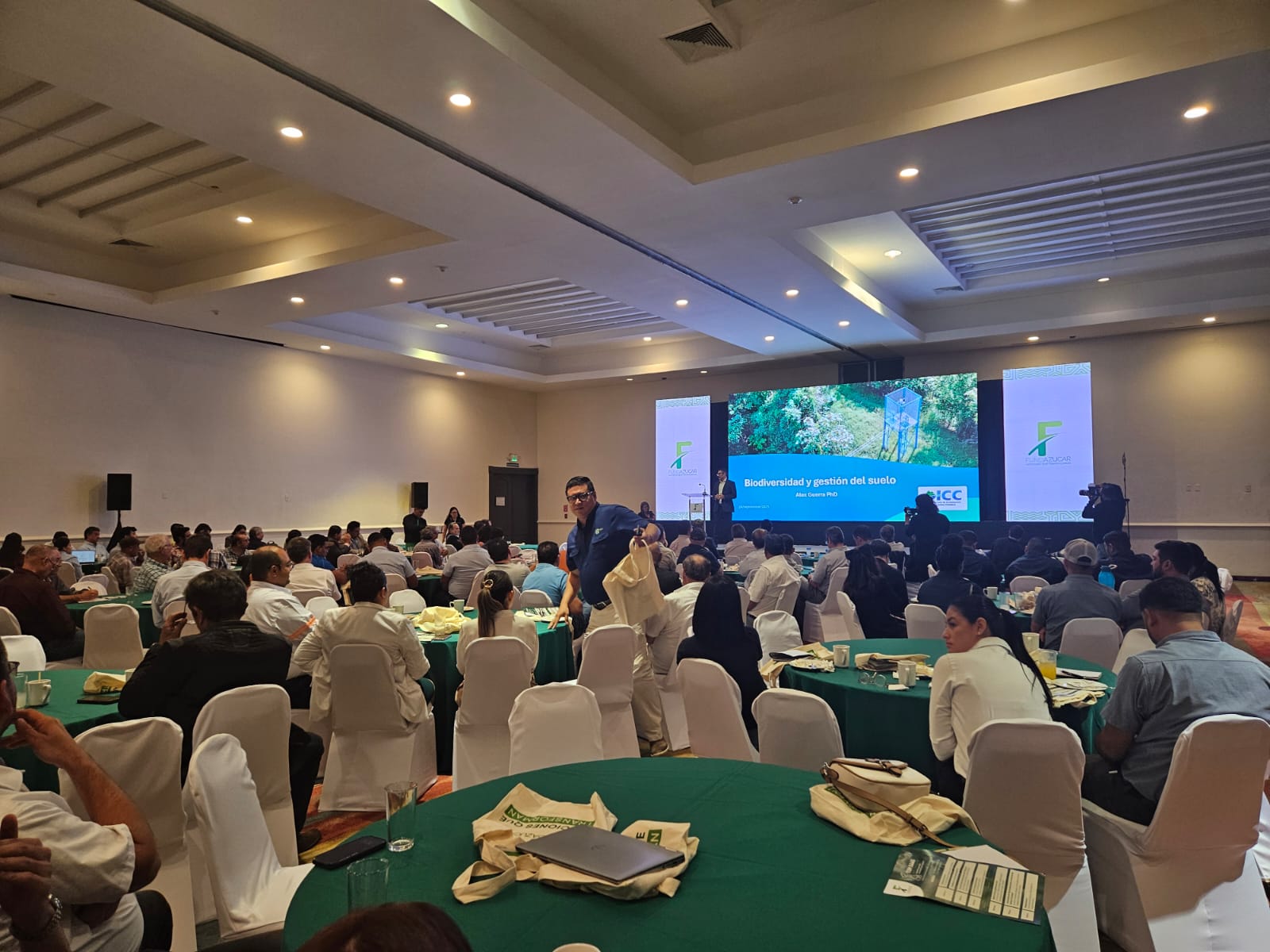
In addition, Dr. Alex Guerra, General Director of ICC, presented a session entitled “Biodiversity and Soil Management,” highlighting the ecological value of sugarcane agro-landscape systems. He emphasized that these systems extend beyond the crop itself and include elements such as scattered trees, live fences, hedgerows, and riparian vegetation, all of which contribute to ecosystem functionality.
Dr. Guerra shared findings from nearly a decade of biodiversity research conducted in similar agroecosystems in Guatemala, where 219 forest plant species and more than 200 bird species—approximately 70 of them migratory—have been recorded. These results underscore the importance of Central America as a biological corridor and highlight the role of soil biological diversity in maintaining soil health and fertility.
The forum brought together government authorities, including the Ministry of Environment and Natural Resources (MARN) and the Salvadoran Water Authority (ASA), as well as representatives from international cooperation agencies, small-scale producers affiliated with PROCAÑA, and members of the media. ICC’s participation in this high-level event reinforces its strategic partnership with the Sugar Foundation of El Salvador (Fundazúcar) and the national sugar industry to advance more sustainable and climate-resilient agricultural practices.